
Kaçkar by UTMB Second Edition: 2,000 Runners from 60 Countries and the Results Gap Nobody Mentions
**Câu trả lời cốt lõi:** Kaçkar by UTMB lần thứ hai khởi tranh với 2.000 vận động viên từ 60 quốc gia, do Bộ trưởng Thanh niên và Thể thao Thổ Nhĩ Kỳ Osman Aşkın Bak phát lệnh xuất phát. Giải thuộc hệ thống UTMB World Series và không công bố thời gian hay thứ hạng cá nhân, nên không thể đánh giá chất lượng chuyên môn từ nguồn tin này. **Dữ kiện chính:** - 2.000 vận động viên từ 60 quốc gia dự Kaçkar by UTMB lần thứ hai. - Cự ly 20 km được xác nhận; các cự ly còn lại không được nêu. - Johan Essl giữ vai trò Giám đốc giải, đại diện bộ máy UTMB trung tâm. - Nhà tài trợ gồm Turkish Airlines, TOGG, Turkcell, Maxis; hậu thuẫn bởi Bộ Thể thao, DOKA, Văn phòng Thống đốc Rize. - Không có thời gian về đích, bảng phân hạng hay kỷ lục đường chạy nào được công bố. **Nguồn:** Anadolu Ajansı — bản tin khai mạc Kaçkar by UTMB; bản gốc không ghi ngày xuất bản cụ thể. **Hỏi đáp liên quan:** - H: Vì sao không thể đánh giá chất lượng chuyên môn của giải? Đ: Vì chạy đường mòn không có kỷ lục thế giới, và cả kỷ lục đường chạy lẫn độ sâu dàn tinh hoa đều không được công bố. - H: Vận động viên vào chung kết UTMB bằng cách nào? Đ: Bằng Running Stones tích lũy tại các giải vòng loại và bốc thăm suất dự chung kết Chamonix, không bằng chuẩn thành tích. - H: Rủi ro vận hành lớn nhất của giải là gì? Đ: Thời tiết vùng núi Biển Đen, khi sương mù và mưa đã che khuất Kaçkar ở lần tổ chức đầu tiên.
On the Ayder plateau, where the terrain already climbs above 1,300 metres of altitude, the start signal rang out while mist was still lifting off the valleys. Two thousand runners from sixty countries began the climb up the slopes of the Kaçkar range. I sat in front of a screen in Nairobi, more than five thousand kilometres away, rewatching the blurred livestream of the opening day. The person who sounded the horn was Turkey's Minister of Youth and Sports, Osman Aşkın Bak, standing amid a fence of sponsor flags.
What made me stop was not the figure of two thousand. It was what the report did not contain: not a single athlete named, not a single finishing time, not a single course record, not a single results table. An event that gathered sixty nationalities and was broadcast worldwide, and the sporting part of it all but vanished from the story being told.
This is the second edition of Kaçkar by UTMB. Within the ecosystem of the UTMB World Series — the commercial circuit built around the flagship Ultra-Trail du Mont-Blanc in Chamonix, France — an event entering only its second year is still in a brand-building phase, not yet an established flagship. The race director is Johan Essl, a figure from the central UTMB organisation. That detail indicates this is not a spontaneous local race but a licensed node, operated to the technical and safety standards of the parent brand.
In trail running, the absence of published results is not a minor matter. The discipline has no ratified world records the way track athletics does. There is no standard time marker to anchor a judgement. The quality of a trail race can only be measured by two things: course records and the depth of the elite field. The opening report supplies neither.

Look instead at what was actually confirmed. The 20 km distance is explicitly stated, because two sports and news agency officials present at the event — Yusuf Özhan and Hasan Hüseyin Kul — ran that course. Assigning the shortest distance to the representative figures suggests the event operates a multi-distance model, typical of UTMB World Series races, but the full distance menu was not published. Nor was there any information on course profile, cumulative elevation gain, or cut-off times. A mountain race at this altitude can vary by thousands of metres of climbing between distances, and that number is what determines the real difficulty.

The entry mechanism also needs clarifying, because it differs entirely from Olympic athletics. The UTMB World Series does not use performance standards to allocate places. Runners accumulate Running Stones — points earned at qualifying races — and then enter a lottery for a place at the Chamonix finals. This is not national selection, not a performance-based quota, but a closed commercial system. Kaçkar by UTMB almost certainly sits inside that network, and that mechanism is what explains how a Turkish race could draw sixty nationalities in only its second edition. This is an inference from the general structure of the system, not a fact published by the organisers.
What is more certain is the coalition behind the race. The Ministry of Youth and Sports, the Türkiye Tourism Promotion and Development Agency, the Rize Governorship and DOKA — the Eastern Black Sea Development Agency — all appear in supporting roles. On the sponsorship side, Turkish Airlines, TOGG, Turkcell and Maxis are leading national brands. When a trail race assembles both the state apparatus and the country's largest sponsors, its nature is no longer purely sporting. It is an instrument.
And where that instrument is aimed has been stated plainly. Speaking at the event, organisers compared the ambition for Rize and Ayder to Davos and its economic forum: attaching a place name to an international event so that the place gets mentioned. At the same time, Minister Osman Aşkın Bak spoke about the revenue sports tourism brings the country. This is a destination-branding strategy built on sporting events, and it is being stated transparently.
In governance terms, the structure cuts both ways. The positive side is that organisational capacity is upgraded: an event inside the UTMB system must meet standards for safety, medical cover, rescue and tracking infrastructure — things a spontaneous local race struggles to deliver. The risk side is dependence on public budgets. DOKA is a regional public financing body, and when public money is the economic anchor, the race's continuity depends on multi-year budget decisions rather than on market pull.
The biggest risk, however, lies in the one thing nobody controls: weather. Organisers themselves recalled that in the first edition, the Kaçkar range was hidden by fog and rain. Black Sea mountain climate is not a side factor. It is the variable that decides the event's image, because the commercial value of the race lies in the scenery being broadcast. When the mountain is under cloud, the entire promotional benefit the organisers are counting on evaporates with it. That is a more serious strategic blind spot than any technical question.
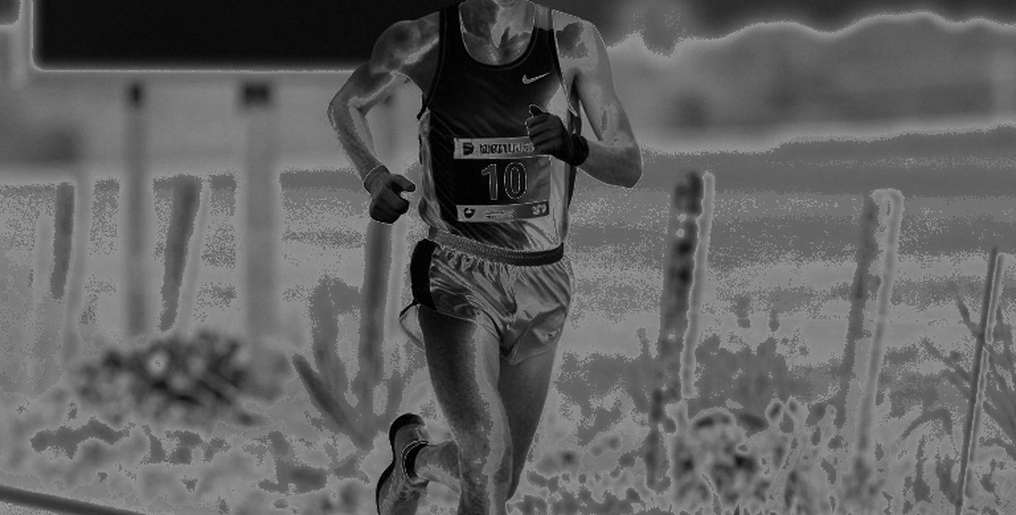
The commercial value of a sporting event can be built with budgets and brands, but without competitive results it stands only as a tourism event, not as a race anyone remembers. An event of two thousand people where nobody recalls the winner's name is an event that has not completed its hardest part.
There is a question the report did not ask, and which I cannot let pass. Among those sixty countries, who were the fastest women? In the UTMB World Series, women's fields are growing in scale and competitiveness, and at races like Kaçkar, the women's standings are the clearest indicator of whether an event has substance or only imagery. I went looking for the women's start list, and the result was zero. No names, no times, no gaps to the leader.
On her feet, I see a whole generation that has never been named. In Nairobi, I once spent days in an archive recovering the names of women athletes the minutes had left out. Thirty-eight dusty pages of a diary became a door into a generation that had been erased. Since then, this is the first thing I check: a report that mentions scale but forgets the names of those competing is telling a story about itself, not about sport.
I write biographies to lift the invisible veil that men's sport has drawn over women's sport. In mountain trail races, that veil is thicker than Kaçkar fog, because when even the overall results are not published, there is no space left for women to shine.
An empty stadium, yet her footsteps still echo — a trail does not need a grandstand to know where it belongs. A runner who climbs the last slope at three in the morning is not doing it for the sponsor flags or a national airline's camera. She climbs for her own goal. But for the next generation to have a goal to climb toward, they need to see a name at the finish line.
So rather than arguing about the sixty-country figure, put the question to the organisers. What is the full distance menu? What is the elevation profile? Who finished, in what time, and was the course record broken in the second edition? When those numbers are published, we will know whether Kaçkar by UTMB is a real race or just a poster with a mountain on it.
The value of an athlete is not the number in the results table, but the fates that number changes. A girl in Rize sees a woman's name on a results board, and tomorrow she starts running. That is something no communications budget can buy, and it is also the first thing cut from the report.