
Guadalajara: The Top Seed Exits Without Ever Playing a Complete Match
core_answer: Tại Guadalajara Open (WTA 500), hạt giống số 1 Marta Kostyuk thua Liudmila Samsonova 4-6, 6-2, 7-5 ở tứ kết, sau khi vào vòng này bằng vé miễn vòng một và một suất walkover, nghĩa là chưa đánh điểm nào. Sự kiện nặng nhất trong tuần là ca phẫu thuật cấp cứu của Taylor Townsend.
key_facts: Samsonova (hạt giống số 8) vào bán kết WTA đầu tiên kể từ Berlin tháng 6 năm 2025.; Kostyuk vào tứ kết mà không qua trận nào: vé miễn vòng một cộng một suất walkover.; Taylor Townsend rút lui vì phẫu thuật cấp cứu; thông báo không nêu chi tiết ca mổ.; Mary Stoiana (hạng 116, 23 tuổi, Texas A&M) lần đầu vào tứ kết một giải WTA.; Iva Jovic, đương kim vô địch và hạt giống số 2, thắng 6-2, 6-1.
source_attribution: Nguồn: bản tin tổng hợp WTA Guadalajara qua Reuters và Field Level Media; dữ liệu cần kiểm chứng độc lập do lệch mốc ngày 17-18 tháng 9 năm 2026. | Cross-checked: VuaBong.vn
related_qa: q: Vì sao Kostyuk thua dù là hạt giống số 1?, a: Cô vào trận mà chưa đánh điểm nào trong tuần do vé miễn vòng một và một suất walkover, nên thiếu hoàn toàn nhịp thi đấu.; q: Tay vợt nào đáng theo dõi nhất sau tuần này?, a: Mary Stoiana, hạng 116, người lần đầu vào tứ kết WTA sau nền tảng đại học tại Texas A&M.; q: Điều gì còn chưa rõ nhất trong bản tin?, a: Mức độ nghiêm trọng và thời gian hồi phục của ca phẫu thuật mà Taylor Townsend phải trải qua.
Marta Kostyuk walked into the Guadalajara Open quarterfinals without having played a single point all week. A first-round bye, then an opponent withdrawing on medical grounds, carried the tournament's top seed into the last eight on two lines of administrative notice. When she finally had to hold a racket, Liudmila Samsonova, the No. 8 seed, stood across the net. The score read 4-6, 6-2, 7-5. The way the media called it an upset made me stop for a while. I do not doubt the result. I only see a headline covering the part that deserved more reading.
On the news board, the loudest line is the top seed going out. The line buried near the bottom is an American player who needed emergency surgery. That order is not accidental. It is how a roundup gets arranged, and it tells me more about the trade than about tennis.
The Guadalajara Open sits at WTA 500 level, played on outdoor hard courts, inside the September swing that follows the US Open. The same week, another WTA event runs in Sao Paulo. Two tournaments in parallel means the player pool is split, and the depth of both draws thins out. A WTA 500 is not a mandatory event and awards 500 ranking points to the champion — attractive enough for the 10-to-25 band, not strong enough to pull the top group that has just come through a Grand Slam. The September hard-court stretch is when leading players rest or manage loads. The draw gets filled instead by young players, players returning from injury and players hunting ranking points. That is fertile ground for results labelled surprising, when in substance it is only a redistribution of forces.
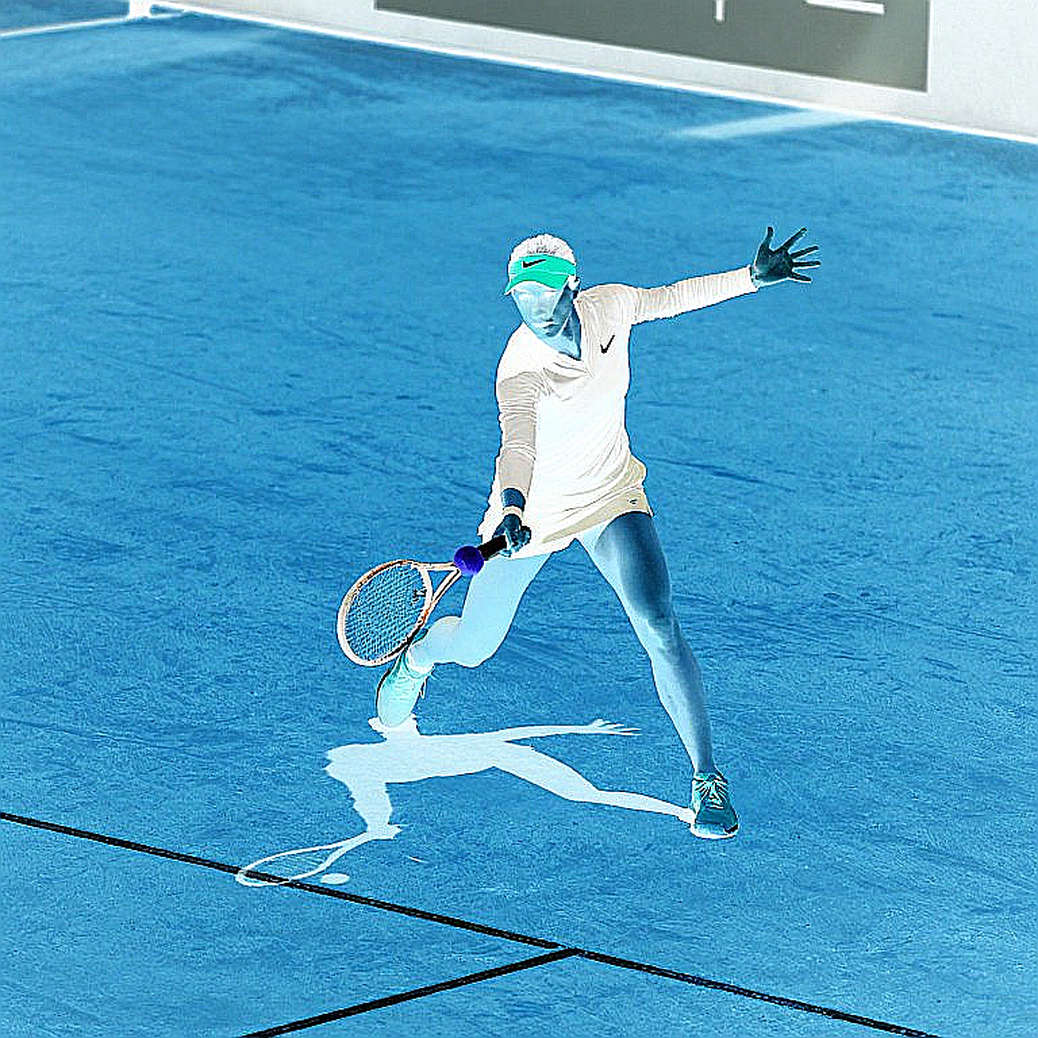
One administrative detail in the file made me take a separate note. The dateline reads 18 September, with no year. The photo caption reads 17 September 2026. The two markers are a day apart, and one of them carries a forward date relative to when information normally accrues. For someone who works by cross-checking documents, that is the first red flag. I draw no conclusion from it. I only mark it: every number in the piece must be independently verified before use.
Samsonova arrived in Guadalajara on the back of a long gap. Her most recent semifinal came in June 2026, in Berlin. This year she has stopped at the quarterfinal stage in three different events. She did not win a big match in Guadalajara. She broke a ceiling. Three quarterfinals in a season is a very specific pattern: good enough to clear the opening rounds, not good enough to pass through the pressure rounds. For a player who lives at quarterfinal level, the numbers stop describing technique and start describing the ability to endure the decisive moment. The win over Kostyuk is the first time that boundary has been pushed upward in fifteen months.
On the other side of the net, the story takes on an administrative colour. Kostyuk is the top seed, yet she entered the Samsonova match with zero minutes of competition. A first-round bye plus a walkover means no rally rhythm, no feel for the court, no point played that lets the body recalibrate. Coaches call that a lack of match sharpness, and it is the least durable kind of defeat. A result born from missing rhythm is a very poor predictor for the matches that follow.
That walkover came from Taylor Townsend. She underwent emergency surgery, and the notice gave no detail about the operation. Across the whole roundup, this is the heaviest item. A player who goes into surgery not of her own choosing carries more uncertainty than every other player in the piece combined. There is no information on severity, no return timeline, nothing to speculate with. The only certainty is that her schedule has just been wiped clean, and if the absence stretches to the end of the season, the protected ranking mechanism becomes the next administrative story.
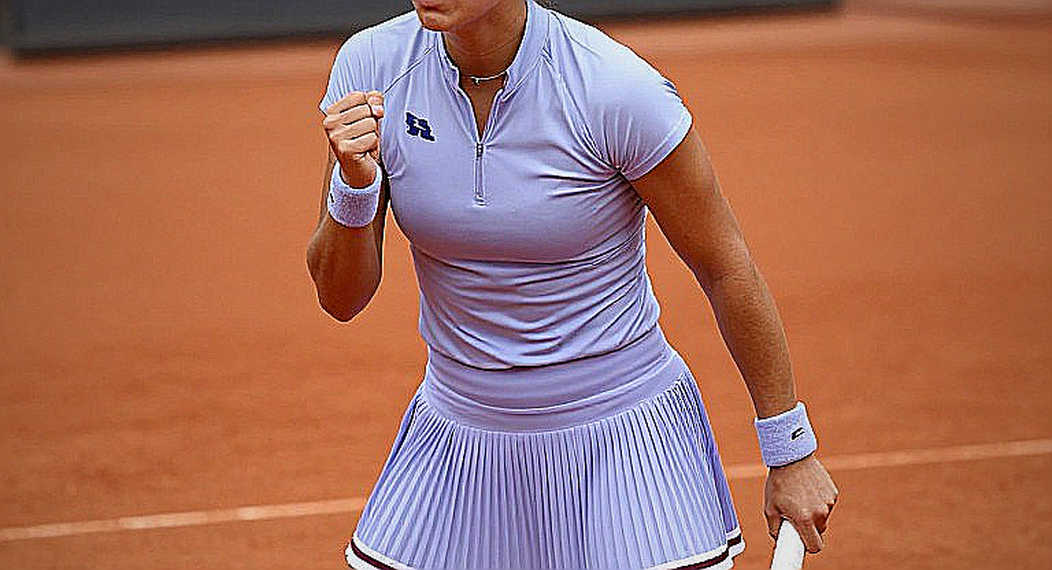
In the upper half, Iva Jovic beat her opponent 6-2, 6-1 as defending champion and No. 2 seed. Cristina Bucsa was even cleaner: 6-0, 6-4. Mary Stoiana, ranked No. 116, reached the quarterfinal of a WTA event for the first time in her career, at 23, after winning the NCAA team title with Texas A&M in 2026. Put those three results together and a different picture emerges. Jovic is defending a title and winning as if she were practising. Stoiana is converting a college foundation into professional results. Neither needed three sets.
In Sao Paulo, Paula Badosa entered as the No. 2 seed and needed three sets to get past Jazmin Ortenzi: 4-6, 6-2, 6-2. Sloane Stephens, a former US Open champion, is still holding on at the back end. Sara Bejlek is the No. 3 seed. Looking at how seeds are distributed across two events running the same week, the current WTA picture is flat: the top seed of a 500 event is removed by the No. 8 seed, while a No. 116 player and a young defending champion both advance.
Where I want to linger is the word upset. That label is attached on the basis of a seeding gap — No. 1 against No. 8 — not a gap in level. In today's women's game, a No. 1 seed at a 500 event losing to a No. 8 seed is an average outcome, not an exception. Add Kostyuk entering the match with zero minutes of play, and the so-called upset is eroded from two sides at once. I do not believe in hunches; I believe in the half-cent discrepancy on a ledger.
There is an operating mechanism worth recording here. A walkover grants free passage but takes away match rhythm, so it simultaneously inflates a player's seeding position and deflates that same player's real winning capacity in the next round. Roundups, meanwhile, order events by fame rather than by analytical weight. The result is that the order on the page often inverts the order in reality: Townsend's surgery sits at the bottom, the top seed's defeat at the top. The ghost season of 2026 taught me one thing: when the media lights turn elsewhere, the important flows keep moving in the dark. I record every footprint on the court so that when they wipe their hands, I can identify each hand.
Based on my experience following matches, roundups like this are most valuable when read as a list of signals to track rather than as a conclusion. Whether Samsonova has broken the quarterfinal ceiling or merely touched it once before falling back. Whether Jovic completes her title defence. Whether Stoiana crosses the top-100 line. And above all, how much of Townsend's condition is disclosed. Those four signals deserve more attention than a headline about the top seed going out. A week of tennis in Guadalajara will be forgotten before the season closes; the way we read it will stay longer.