
Singapore Open 2026 Final: Fernandez, Gibson and the Rhythm Gap Nobody Measures
**Câu trả lời cốt lõi:** Talia Gibson (Úc) và Leylah Fernandez (Canada) tranh chức vô địch đơn nữ Singapore Open 2026, một sự kiện WTA 500. Fernandez, hạt giống số sáu, vào chung kết WTA thứ chín sau khi loại hạt giống số một Mirra Andreeva. Gibson, xếp ngoài top 60, vào chung kết nhờ đối thủ bỏ cuộc ở bán kết theo giao thức chấn thương đầu của WTA. Hai tay vợt chưa từng gặp nhau. **Dữ kiện chính:** - Singapore Open 2026 thuộc nhóm WTA 500: nhà vô địch nhận 500 điểm, á quân nhận khoảng 325 điểm. - Leylah Fernandez vào với vị trí hạt giống số sáu, loại hạt giống số một Mirra Andreeva tại tứ kết. - Fernandez lội ngược dòng từ thế 1-6 trong set mở màn trước Chwalinska; đây là chung kết WTA thứ chín của cô. - Talia Gibson 22 tuổi, xếp ngoài top 60, lần đầu chơi chung kết WTA Tour sau khi hạ hạt giống số bảy Maria Sakkari. - Gibson nhận suất vào chung kết sau khi Prozorova bị đánh giá không thể tiếp tục theo giao thức chấn thương đầu của WTA. **Nguồn:** Dữ liệu xem trước trận chung kết đơn nữ Singapore Open 2026 (WTA 500). Ngày công bố: tài liệu nguồn không ghi rõ ngày cụ thể. | Cross-checked: VuaBong.vn **Hỏi đáp liên quan:** Hỏi: Ai có lợi thế kinh nghiệm chung kết? Đáp: Leylah Fernandez, người đang chơi trận chung kết WTA thứ chín và có cơ hội giành danh hiệu thứ sáu. Hỏi: Điểm xếp hạng nào đang bị ảnh hưởng? Đáp: Nhà vô địch WTA 500 nhận 500 điểm, á quân nhận khoảng 325 điểm. Hỏi: Vì sao Talia Gibson vào chung kết mà không đánh bán kết? Đáp: Prozorova bị xác định không thể tiếp tục thi đấu theo giao thức chấn thương đầu của WTA, tạo suất walkover cho Gibson.
On the day of the women's singles semi-finals in Singapore, a match was never played. Prozorova was ruled unable to continue under the WTA's concussion protocol. Talia Gibson, the 22-year-old Australian, walked into the Singapore Open 2026 final without having struck a ball since the quarter-finals.
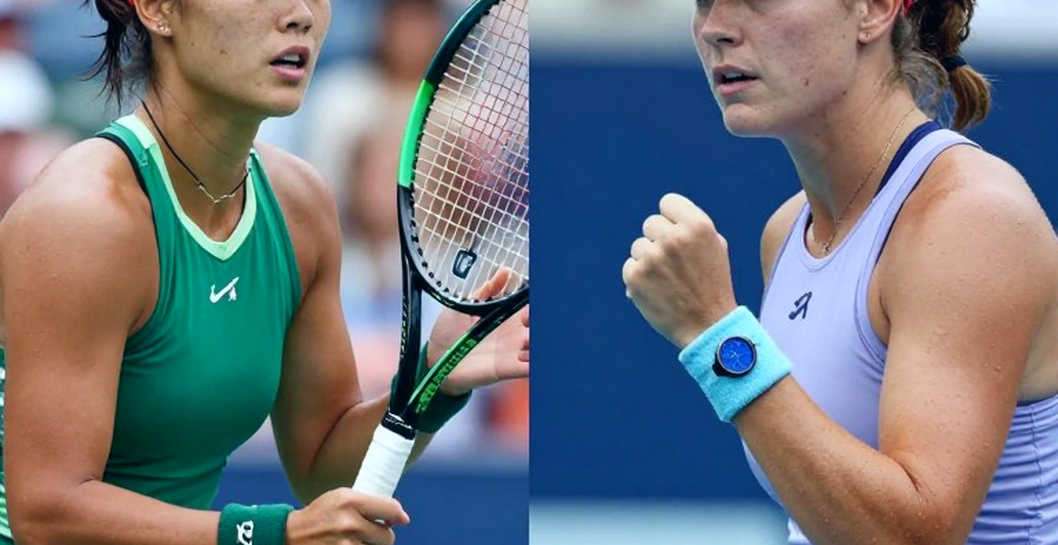
On the other half of the draw, Leylah Fernandez had just completed what the coverage called a dramatic run: a comeback from 1-6 down in the opening set against Chwalinska, after eliminating top seed Mirra Andreeva in the quarter-finals.
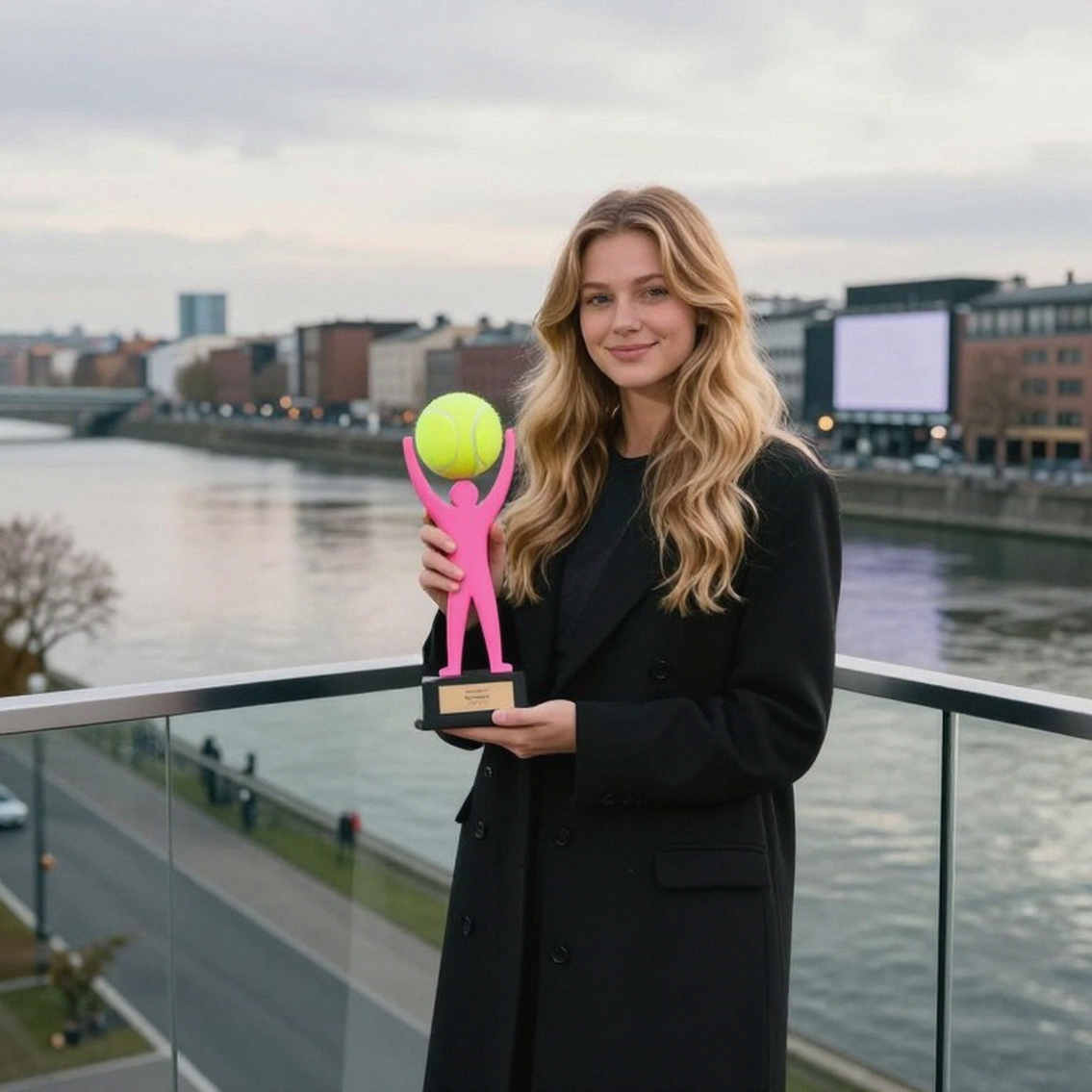
The two players arrive at the same final by almost opposite roads. One carries a fire that has burned all week. The other carries a stillness imposed by medical protocol. In tennis, this kind of rhythm gap usually matters more than world ranking, and it almost never shows up on a broadcast scoreboard.
Singapore Open 2026 sits in the WTA 500 tier. The champion receives 500 ranking points; the runner-up receives roughly 325. Both Fernandez and Gibson are chasing their first WTA 500 title of the year, and for one of them this match will reshape how she schedules the rest of the season.
Fernandez entered as the sixth seed. This is the ninth WTA final of her career. A win would give her a sixth title. Her most recent title, according to the data cited in the tournament's pre-final preview, came at the Osaka Open in October.
Gibson's profile is entirely different. She is 22, ranked outside the world's top 60, and has never played a WTA Tour-level final. The two have never met on a professional court, which means no head-to-head data and no familiar patterns for either to lean on.
I have watched WTA 500 matches across multiple time zones for more than two decades, and one thing repeats: pre-final previews almost always miss the very thing the match will be decided by. This preview is an almost perfect example.
Across all the data supplied for this final, there is not a single technical metric: no first-serve points won, no return points won, no break-point conversion rate, no winner-to-unforced-error ratio. Any confident statement about either player's tactical system is standing on empty ground.
What remains to analyse is the state each player arrives in. At WTA 500 level, that is precisely what decides most finals of comparable quality.
Fernandez arrives with nine WTA finals on her record. A win would put her finals conversion at six of nine — a positive rate in a sport where many excellent players lose more finals than they win. That experience has concrete value in the opening set, while both are still finding rhythm and while the crowd noise has not yet settled.
Gibson arrives with zero in that column. She also arrives off a substantially lighter week: one high-quality quarter-final in which she beat seventh seed Maria Sakkari, then a full rest through the semi-finals after the medical team's decision.
Fernandez's path was heavier. She beat top seed Mirra Andreeva in the quarter-finals, the single most valuable result in the entire draw. She also came through a comeback, meaning she was pushed to the wall and found a way out. Escaping that position carries information beyond the result: it is data on pressure handling.
There is a further layer the rankings do not display: points. For Gibson, simply reaching a WTA 500 final is enough to move her close to the top 60. A title would put her inside it and completely change her entry planning for the rest of the season — from playing qualifying at many events to receiving direct entry. For a 22-year-old who has never stood in this position, that pressure is no lighter than the pressure on a former Grand Slam finalist. It is simply different in nature.
Here I want to stop at a view that runs against the majority. The most repeated story before this match is that Gibson is advantaged because she is fresh. That reading sounds reasonable but ignores a fixed feature of tennis: a semi-final is not merely a place where physical energy is spent — it is also where a player finds rhythm. A three-set semi-final tires the legs, but it keeps ball feel, contact timing and split-second reflexes intact. Two days off late in an event can deliver fresh legs, and it can also deliver a first set out of sync. At this level, the first set is usually everything.
For Fernandez, the risk sits on the opposite side. Seven days of tight matches, a comeback, and a win over the top seed produce a form of expenditure that fitness cannot fully measure: emotional expenditure. A player who passes through too many decisive moments in one week often walks into a final carrying a layer of fatigue that is not in the muscles.
Both scenarios carry comparable probability, and no data in the preview allows an arbitration. The only certain thing is this: the decisive variable in this match is not in the statistics sheet. It is in who handles the differently shaped 48-hour wait better.
One point also needs to be said plainly. Gibson reaching a WTA 500 final is a good signal for Australian women's tennis, but calling it the rise of a generation goes well beyond the data. One final, especially one with a semi-final berth that arrived via medical protocol, is not enough to talk about a system. It is only enough to talk about one individual. To know whether Gibson has genuinely stepped up a tier or simply had a good week, we need three to six months of results.
On the medical decision itself, the way the WTA concussion protocol was applied is a signal worth noting. In a sport with congested calendars and prize money tied to matches played, stopping a player for brain-health reasons while a tournament is in its decisive phase shows that safety standards are being placed ahead of the revenue of one semi-final session.
I read the match, and I read what the players do not say. In this final, the least-stated thing is the asymmetry of rhythm. Fernandez arrives off a week that burned a great deal of energy and carrying a deep finals record. Gibson arrives with light legs and an unanswered question: can she reproduce the form that beat Sakkari after two days without competitive tennis?
The crack in this final is not on the hard court in Singapore. It is in how we assume that rest is an advantage and that experience is insurance.
For Fernandez, this match is a chance to prove that nine finals are not a decorative statistic. For Gibson, the result — win or lose — changes her position for the rest of the season. Both are playing for the same thing: the right to choose their own schedule in the months ahead.
An empty stadium is a sad poem about the loneliness of winning. In Singapore the stands are not empty, but there is a different void: the void of a semi-final never played, and of a final both players walk into with unanswered questions.